maria@elevationmassagehou.com

Back Pain From Sitting: Gut Health, Pain, and Sitting Too Much

Most people don’t associate digestive issues with back pain.
They think of them as completely separate problems:
- Bloating and IBS belong to the stomach
- Low back pain belongs to the muscles
- Stress belongs to the mind
But the body doesn’t operate in isolated compartments. Everything is connected through the nervous system, fascia, inflammation pathways, posture, circulation, and the gut-brain axis. Modern lifestyles have created the perfect storm for all three problems to occur at the same time:
- prolonged sitting
- chronic stress
- reduced movement
- shallow breathing
- poor circulation
- nervous system dysregulation
And increasingly, research is showing that gut dysfunction and musculoskeletal pain are deeply intertwined.
Sitting All Day Is Harder on the Body Than Most People Realize
Dr. Brennan Spiegel, gastroenterologist and author of The Mind-Gut Connection, has discussed how prolonged sitting can negatively affect digestion, inflammation, and nervous system function. When we sit for extended periods:
- The hips tighten
- The diaphragm becomes restricted
- circulation slows
- The abdominal organs become compressed
- The nervous system shifts into a more stressed and stagnant state
Movement is essential for healthy digestion. The intestines rely on rhythmic muscular contractions called peristalsis to move food and waste through the digestive tract. Sedentary lifestyles can slow this process significantly, contributing to symptoms like:
- constipation
- bloating
- abdominal discomfort
- sluggish digestion
- IBS flare-ups
At the same time, prolonged sitting places enormous strain on the low back, hips, glutes, and thoracic spine. The result? Many people develop chronic lower back pain from sitting while simultaneously experiencing digestive symptoms they never realize may be connected.
The Gut and the Nervous System Are Constantly Communicating
The digestive system is often called the “second brain” because of its close relationship with the nervous system. Stress doesn’t just affect your mood. It directly changes digestion.
When the body stays stuck in a prolonged stress response:
- Blood flow shifts away from digestion
- Muscle tension increases
- Breathing becomes shallow
- Inflammation rises
- Digestion slows
- Pain sensitivity increases
This is one reason people often experience:
- stomach pain during stressful periods
- IBS flare-ups during burnout
- tension in the jaw (TMJ issues), neck, and lower back during emotional stress
The body is reacting as a whole system.
How Gut Dysfunction Can Contribute to Back Pain
Digestive inflammation can create tension patterns throughout the body. When the abdomen is irritated or inflamed:
- The surrounding muscles often tighten protectively
- The diaphragm loses mobility
- The psoas and hip flexors become overactive
- posture changes
- Breathing mechanics become restricted
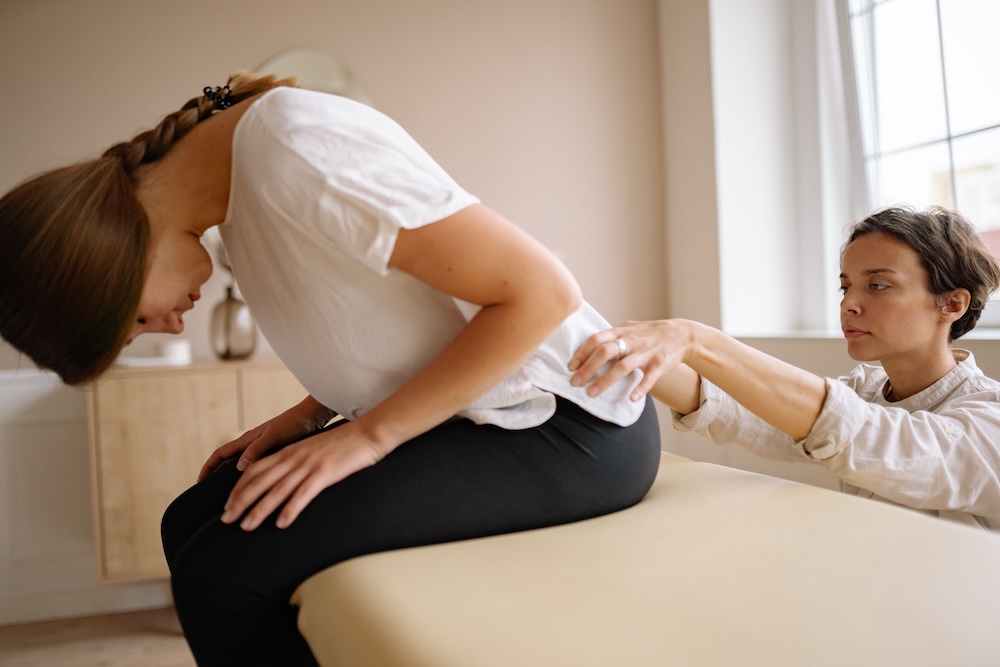
The psoas muscle is especially important here. This deep core muscle connects the lumbar spine to the hips and sits very close to the digestive organs. Chronic sitting, stress, and abdominal tension can all contribute to psoas dysfunction, which often shows up as:
- low back pain
- hip tightness
- pelvic tension
- difficulty standing upright comfortably
Many clients come in thinking they simply “threw their back out” when, in reality, their entire nervous system and core have been bracing for months or years.
How Massage Therapy Can Help Both the Gut and the Back
Massage therapy does far more than loosen tight muscles. Research shows that massage can help regulate the nervous system, improve circulation, reduce stress hormones, and stimulate parasympathetic activity — the “rest and digest” state in which healing and digestion occur most effectively.
At Elevation Massage & Spa, we often see clients experience improvements in:
- low back tension
- abdominal tightness
- stress-related pain
- shallow breathing
- digestive discomfort
- posture and mobility
Therapeutic bodywork may help by:
- improving diaphragm mobility
- reducing fascial restrictions
- decreasing stress-driven muscle guarding
- improving circulation to soft tissues
- encouraging healthier breathing patterns
- helping the nervous system shift out of chronic fight-or-flight mode
Movement also matters. The body was designed to walk, twist, squat, breathe deeply, and change positions throughout the day — not remain folded into a chair for 8-10 hours at a time.
Back Pain from Sitting: Small Changes Make a Big Difference
If you struggle with both digestive symptoms and chronic back tension, consider:
- Taking movement breaks every 30-60 minutes
- walking after meals
- improving posture and breathing mechanics
- Reducing prolonged sitting time
- managing stress levels
- incorporating regular massage therapy and bodywork
Sometimes the answer isn’t just “stretch more” or “take antacids.” Sometimes the body is asking for regulation, circulation, movement, and recovery. And often, once the nervous system calms down, the rest of the body begins to follow.
If you’ve been dealing with chronic tension, stress-related pain, or posture issues from long work hours, therapeutic massage can be an excellent addition to your wellness routine. Your gut, nervous system, and muscles are all speaking to each other every day. The question is whether we’re listening.
Click to book your bodywork appointment.
Consent of the client is required:
I understand that results will vary among individuals. I understand that although I may see a change after my first treatment, I will likely require a series of sessions to obtain my desired outcome.